
How New England Humidity Affects Your Floors and What to Do About It
If you live in New England, you know our weather has a mind of its own. One minute it’s muggy and warm, the next, you need to grab a sweater and close the windows. That’s all fine and dandy for us, but your hardwood floors? They’re not such fans of these wild swings in humidity and temperature.
Humidity effects on hardwood floors are a real challenge around here. Too much moisture can leave your beautiful planks swollen, warped, or covered in gaps. Too little? Suddenly, your floors are creaking and cracking like a haunted house in October. We get it—nobody wants to watch their investment turn into a flooring horror show.
Let’s dig into the ways New England’s unpredictable climate messes with your hardwood, and more importantly, what you can do to keep those floors sturdy and looking sharp all year long. No matter the season, you can protect your home’s best feature with a little know-how and the right strategies.
Understanding How Humidity and Temperature Affect Hardwood Floors
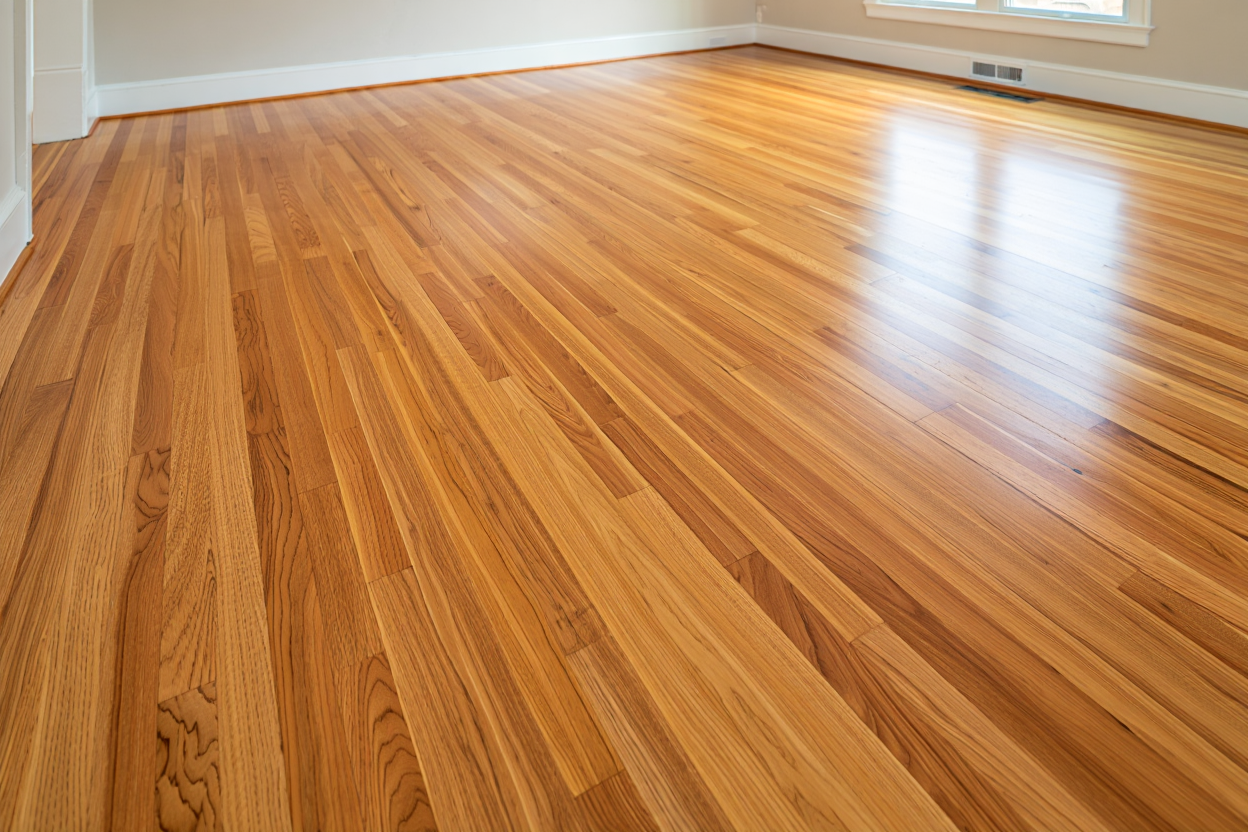
Hardwood floors might look rock-solid, but don’t let appearances fool you—they respond to the air just like a living thing. When the humidity rises or falls, or when temperatures swing from warm and sticky to bone-chilling cold, your floors notice. The science is simple: wood and moisture go hand in hand, even after the tree’s been cut down and shaped into planks.
In New England’s shifting weather, hardwood floors act a bit like a sponge, taking in or releasing moisture from the air. That interaction leads to movement—expanding, contracting, sometimes even warping—depending on what’s happening outdoors and inside your home. It’s not just about comfort for your toes; it’s about the long-term health and appearance of every inch of flooring you own.
Getting why these changes happen gives us the upper hand in protecting our investment. When you understand how moisture and temperature play their game with hardwood, you can spot issues early and take steps to keep your floors steady, season after season. We’re about to break down exactly what’s happening inside that wood, and how the New England seasons drive those changes.
Why Natural Wood Reacts to Humidity and Temperature Changes
Wood isn’t just “dead” once it becomes flooring—each plank is packed with tiny cells that hold and let go of moisture. When the air gets humid, those cells soak up water vapor, and the wood expands. When it’s dry, wood gives up moisture to the air, shrinking back in the process. This constant breathing is the reason hardwood floors are so sensitive to changes in the environment.
The technical folks call this the wood’s “moisture content.” If indoor humidity climbs, even a few percent, you may notice your floor getting a little wider or boards pushing against each other. In dry spells, the planks lose moisture and contract, often leaving narrow gaps between them. This isn’t something you can muscle out of them—wood is going to do what it does, unless you keep a steady handle on the climate.
For example, let’s say there’s a sudden rainstorm in July and you leave the windows open. The extra damp air heads straight for your hardwood, and pretty soon, you might spot those boards pushing against their seams. In winter, when indoor air is dry from heating, you might see those same boards pulling away and leaving gaps. Either way, this dance between wood and water is perfectly normal—unless it gets out of control.
Knowing that wood likes to keep itself balanced with the air is the first step. If we can keep the indoor conditions steady, our floors will follow suit. And if your floors start misbehaving, at least now we know who to blame—the weather, not the workmanship.
Seasonal Changes: How New England Weather Impacts Hardwood Floors
Here in New England, our floors ride out some wild seasonal swings. Summertime brings sticky heat and soaring humidity levels, making hardwood boards swell. Left unchecked, that expansion can lead to boards pushing up at the edges or even buckling if moisture really piles up.
When the seasons flip and winter hits, indoor heating dries the air, sometimes to desert-like levels. That’s when the opposite happens: hardwood shrinks, often pulling away from its neighbors and leaving telltale gaps or seams. It can even creak underfoot from the stress. For most homeowners, these cycles are most noticeable right after sudden temperature shifts, not just at the height of each season.
Rapid changes don’t give wood much time to adjust gradually. If you go from a muggy summer day to a crisp, dry fall night because of a big storm or switching the HVAC, your floors will respond in a hurry. Sometimes, that means minor shifting that’s normal, but a dramatic change—like a week-long heatwave followed by chilly rains—can spell trouble.
The trick is to watch for movements that are bigger than just seasonal settling. Minor gaps or slight swelling? That’s just New England living. More dramatic lifting, warping, or splitting is your cue to intervene. Knowing what’s normal and what’s not saves headaches and helps you catch small problems before they become big, expensive ones.
Common Damage Caused by Humidity Fluctuations in Hardwood Floors
Ignoring humidity swings isn’t just a headache—it shows up in your home, sometimes fast. When indoor moisture levels are all over the place, hardwood floors suffer both visible and hidden damage. That’s why learning the typical warning signs gives you a leg up on prevention and fast repairs.
The most common issues are easy to spot once you know what to look for. Snaking gaps, boards curling up or forming a peak, even planks popping off the subfloor—these are all classic signals that the moisture content in the air got out of balance. Hardwood reacts in different ways depending on whether too much or too little water is in the mix.
We’ll walk through the major types of damage—what causes them, how to spot them early, and why timing is everything when it comes to protecting the lifespan of your investment. By separating what’s just normal seasonal movement from true damage, you’ll know what requires action and what’s par for the course in New England’s unpredictable climate.
Signs of Cupping, Crowning, and Buckling in Hardwood Planks
- Cupping: This is when the edges of your hardwood planks turn upwards, leaving the middle section lower. Cupping happens when moisture is absorbed from below or around the edges of each board—usually a sign of high humidity in a basement or trapped water under the floor. It can look like shallow waves running across a room. Catching it early means you can adjust humidity or dry things out before major repairs are needed.
- Crowning: The opposite of cupping, crowning makes the center of each plank rise higher than the edges. It’s often caused by too much moisture on top of the floor—maybe from spills left to sit or improper wet mopping. Crowning may develop if cupped floors are sanded too soon or not allowed to dry fully. If you spot it, check for leaks or sources of top-down moisture and get those under control.
- Buckling: This is the heavy hitter of wood floor problems, where entire boards lift off the subfloor and create hazardous humps you can’t miss. Buckling comes from severe moisture exposure—a busted pipe, flooding, or long-term humidity gone wild. Once a floor starts buckling, structural integrity is at risk, and you’ll probably need help from a Hardwoord flooring professional to salvage what you can. Always investigate the cause and dry out the area thoroughly to stop it from spreading.
Spotting any of these changes early is your best defense. Keep an eye (and a hand) out for uneven surfaces, new ridges, or soft spots as you walk your floors. Act quickly, and most small issues can be managed—but left alone, they lead to bigger headaches, not to mention costly repairs.
Cracking and Gaps: Effects of Dry Air on Your Floors
When dry air takes over, especially in winter, hardwood floors lose moisture and shrink. This shrinkage leads to cracking along the wood surface and visible gaps between planks or at the seams. You’ll notice these issues most when you crank up the heat and humidity inside drops below comfort levels.
Telltale signs are narrow spaces that weren’t there before, sharp edges along boards, or even thin splits running down the length of the wood. Gapping and cracking are typical from late fall through early spring, but if the problem sticks around after humid weather returns, it’s worth checking your home’s overall moisture balance.
How to Maintain Ideal Humidity Levels for Floor Longevity
It’s one thing to spot damage after the fact, but what about keeping problems from starting in the first place? That’s where managing indoor humidity makes all the difference. Think of it as insurance for your hardwood floors—stay in the right range, and you’ll rarely have to deal with warping, gaps, or stubborn finish problems.
Consistency is key. By measuring and balancing the moisture in your home, especially during those classic New England transitions, you give your floors the stable conditions they need. It isn’t a guessing game—these days, we’ve got tools and tech for checking levels and making quick adjustments before trouble sets in.
We’ll break down the practical monitoring steps next, along with the best ways to use humidifiers, dehumidifiers, and even your air conditioner for all-around floor protection. With the right setup, your hardwood can outlast every New England season for years to come.
Install a Hygrometer and Monitor Indoor Humidity Year-Round
- Use a Hygrometer: A hygrometer is a simple device that measures humidity right in your home. Place one in different rooms—especially those with hardwood floors—to track moisture levels.
- Track Humidity Daily: Make it a habit to check readings in the morning and evening. Many modern hygrometers log data or can send alerts to your phone.
- Know Your Numbers: Ideally, indoor humidity should sit between 35% and 55% for hardwood floors. Staying in this range keeps expansion and contraction to a minimum.
- Adjust with the Seasons: Log changes as outdoor conditions shift, and look for patterns that signal whether you need a humidifier or dehumidifier.
Regular monitoring takes the surprise out of floor maintenance, helping you catch issues before they turn serious.
Using Humidifiers, Dehumidifiers, and Air Conditioners for Floor Protection
- Humidifiers for Dry Months: When winter or heating season dries out your air, a good humidifier adds moisture back in. Place them in rooms with wood floors to prevent shrinking and cracking. Be sure to clean the units regularly to avoid mold or mineral buildup.
- Dehumidifiers for Humid Months: In sticky New England summers, dehumidifiers pull excess moisture from the air, protecting floors from swelling and cupping. If you have a basement or ground-level rooms, a basement dehumidifier is a smart move.
- Air Conditioners for Balance: Air conditioning naturally reduces humidity while cooling the room. Using your AC during hot, muggy spells helps keep both temperature and moisture in check.
- Pick the Right Size: For larger spaces or older homes with drafty construction, you might need heavy-duty units to get results. Match equipment to the room size for best performance.
- Set and Forget—Within Reason: Most modern humidifiers and dehumidifiers let you set a target humidity level. Monitor often, adjust settings with the seasons, and don’t forget routine filter and system maintenance.
With these appliances working together, you’ll give your hardwood floors the steady climate they crave, year after year.
Maintenance Tips for Seasonal Hardwood Floor Care
The trick to keeping hardwood floors sturdy through every New England season is a little attention and preventive maintenance. You don’t need to hover over your floors, but checking in regularly as the weather changes helps you avoid bigger headaches later. Each season brings its own challenges and opportunities.
From muggy July afternoons to bone-dry winter nights, small changes in how you manage air and moisture have a major impact. Sealing up windows, running the right fans, or setting reminders to inspect floors can go a long way. Think of these routines as low-effort investments that pay off in lifelong floor beauty and function.
We’ll dive into a handy checklist of seasonal must-dos and highlight why keeping up with home systems like HVAC and drainage keeps humidity in check. Treat your floors with the same care you’d give your roof or furnace, and you’ll be rewarded with years of comfort…and fewer repair bills.
Seasonal Maintenance Tips to Balance Humidity and Avoid Damage
- Summer: Use ceiling fans and exhaust fans in kitchens and bathrooms to move humid air outside. Run your dehumidifier to keep floors from swelling.
- Fall: Check for drafts and seal windows. Clear leaves and debris from gutters to cut down on moisture entering your foundation and crawl spaces.
- Winter: Use a humidifier as soon as the heat dries out indoor air. Inspect for gaps or cracks as floors contract and handle spot repairs right away.
- Spring: Inspect the floor for signs of cupping or buckling as dampness returns. Shift furniture around to let wood “breathe” and check for hidden problem spots.
Combine these tips with routine checks and you’ll stay one step ahead of seasonal wear and tear.
Why HVAC and Home System Maintenance Matters for Floor Protection
- HVAC System Service: Regular filter changes and professional inspections keep airflows—and humidity—consistent. This helps hardwood stay stable year-round.
- Clean Gutters: Clear gutters mean less water seeping near your foundation, which can raise basement humidity and impact wood above.
- Proper Ventilation: Functional bathroom and kitchen fans remove excess moisture from everyday life, keeping humidity in check where it matters most.
When these systems run smoothly, not only do you keep floor issues at bay, but you boost overall comfort and the value of your home.
Best Practices for Cleaning and Protecting Hardwood Floors
Hardwood floors are durable, but they need the right cleaning approach to look their best year after year. Regular habits keep little problems from snowballing into big ones, especially where moisture is concerned. Knowing what works—and what to avoid—is half the battle.
Daily routines are simple: sweep often, wipe up spills quickly, and pick cleaning products that won’t eat away at protective finishes.
Overzealous mopping or steam cleaning can sneak moisture beneath the surface, leaving your floors vulnerable. Instead, focus on safe, gentle methods recommended by your floor’s manufacturer or trusted local pros.
Sometimes, the gold standard is turning to professionals for extra help. Advanced coatings, expert maintenance, or a good warranty from reputable brands make a world of difference in hardwood floor longevity. We’ll highlight the best steps and safety nets so you can rest easy and have floors that shine as long as you own your home.
Safe Cleaning Methods to Prevent Moisture Damage
- Wipe Up Spills Immediately: Don’t let water pool or linger—grab a towel right away to prevent it from soaking into seams.
- Use Floor-Safe Cleaners: Stick to products approved by your floor’s manufacturer. They’re designed to clean without softening or breaking down wood finishes.
- Avoid Excess Water: Ditch the soaking-wet mop and keep things damp, not drenched. Water left to sit can seep between boards, causing swelling or mold.
- No Steam Mops: Steam cleaners might sound high-tech, but the heat and moisture they push into wood can harm finishes and open up micro-cracks.
With these habits, your hardwood floors will stay strong, beautiful, and ready for whatever New England throws their way.
Protecting Hardwood Floors with Trusted Brands and Professional Services
- Professional Coatings: Service providers like Absolute Floors use high-grade coatings and sealants for both traditional and engineered hardwood, defending against spills and wear.
- Protection Plans: Consider enrolling in floor protection or maintenance plans, which can include periodic evaluations and emergency repairs.
- Expert Maintenance: Calling in professionals for deep cleaning, refinishing, or damage assessment keeps your warranty valid and maximizes floor lifespan.
- Warranties and Relationships: Trusted brands back their products with long-term guarantees, and ongoing relationships with skilled installers mean extra peace of mind.
These resources give homeowners the confidence that their floors are cared for by experts, now and for years ahead.