Why Fall Is the Best Time to Refinish Hardwood Floors in New England
Why Fall Is the Best Time to Refinish Hardwood Floors in New England
So, you're thinking about refinishing your hardwood floors and want them to look their absolute best. Good call! In New England, timing makes all the difference. With our wild weather swings—one minute it's misty, then it's dry, next, there's a nor'easter outside—the season you choose for this project really matters.
Most pros agree: fall is hands-down the best time to refinish hardwood floors in our region. Why? The combination of mild temps, balanced humidity, and smoother scheduling with contractors gives your project the highest chance of coming out flawless. At Absolute Floors, we help homeowners zero in on that sweet spot, making sure you get results you'll be proud to show off for years.
This guide will break down when, why, and how to time your refinishing project for peak results—so you can avoid hassle and get those floors gleaming.
Best Seasons for Refinishing Hardwood Floors: Climate Matters
When it comes to bringing out the best in your hardwood floors, the weather outside should never be an afterthought. In New England, the climate directly influences everything from how quickly your floors dry, to how smooth the finish turns out. Temperature and humidity are the two big players here, and they shift a lot across our seasons.
Each season—spring, summer, fall, and winter—brings its own set of challenges and advantages for refinishing hardwood floors. Fluctuating temperatures, spikes in humidity, and even the availability of skilled contractors all play a part in your decision-making process. Knowing what to expect from each season gives you the power to plan your project for the smoothest experience possible.
Up next, we'll walk through how spring weather can help or hinder your floors, why summer can be tricky, the perks of a fall project, and the special considerations winter brings. We'll focus on what makes New England unique, so you can make a confident decision on when to dive in with your refinishing project.
Spring Weather Conditions and Refinishing Hardwood Floors
- Moderate Temperatures: Spring in New England can bring pleasant, cool air, which is usually better for refinishing than the deep cold of winter or the hot stickiness of summer. The finish often sets evenly with fewer temperature extremes.
- Rising Humidity: As the season rolls on, humidity can climb quickly—especially after a good rain. High moisture can make wood swell, which sometimes leads to longer drying times and "blushing" in the finish if levels spike suddenly.
- Unpredictable Weather: Spring weather can flip fast—from dry and breezy to damp and muggy overnight. Those swings sometimes make scheduling and finish consistency a challenge unless you keep a close eye on both indoor and outdoor climate conditions.
Summer Climate Challenges for Hardwood Floor Refinishing
- High Humidity: Summer in New England is often muggy, which means more moisture in the air. This makes the wood expand and can slow down the drying and curing of the finish, sometimes resulting in a sticky or cloudy surface.
- Hot Temperatures: Excessive heat can make finishes cure too fast on the surface but remain soft underneath. This can lead to scuff marks and even peeling if the floor is put back in use too soon.
- Moisture Control Issues: Keeping your home cool and dry is tough in a New England summer, so unless you're determined and have a good HVAC system, it's best to avoid refinishing in peak heat and humidity unless you have no other option.
Why Fall Is the Best Time for Hardwood Floor Refinishing
- Mild Temperatures: Fall brings a Goldilocks moment—not too hot, not too cold. Temperatures tend to hover in a sweet-spot zone, which means finishes dry smoothly and evenly, avoiding the extremes that mess with a floor's final look.
- Lower Humidity: As the air dries out after summer, wood contracts slightly and finish cures clean. Less moisture means a reduced risk of finish blushing, stickiness, or warping, giving you the best shot at stunning, streak-free floors.
- Easier Scheduling with Contractors: Most folks wait to book until they're back from summer trips, so contractors' schedules fill fast in September and October. Planning ahead in the fall means you'll likely get your first choice of timing and have your floors ready before the holiday rush.
- Pre-Holiday Fresh Start: There's no better time to flaunt gorgeous floors than during the family get-togethers and celebrations in November and December. Refinishing in the fall means you'll be handsomely set up to host without worrying about lingering fumes or unfinished surfaces.
- Comfort During the Process: With comfortable outdoor temps, you can crack a window for ventilation without freezing or sweating out the project, making the whole experience easier for everyone in the house.
That's why fall is often called the "contractor's secret weapon" in New England hardwood refinishing—it checks all the right boxes, from climate to convenience.
Winter Weather Conditions and Hardwood Floor Refinishing
- Cool, Dry Air: Winter air is dry, which can actually help the finish set up nicely and reduce chances of blushing. However, the downside is that extreme cold in unheated homes can slow the drying process to a crawl.
- Heating Considerations: If you run the heat, you'll want to monitor how much the indoor air dries out—overly dry conditions can cause wood to shrink, forming gaps between boards.
- Longer Drying Times in Unheated Spaces: If you're refinishing in an area without steady heat, expect the project to take longer and risk improper curing. It's possible, but winter is generally best for folks forced to refinish off-season, and only with careful indoor climate control.
Curious how your choice of finish plays into all this? Our guide on oil-based vs. water-based finishes breaks down how each holds up across these seasonal conditions.
When Should You Refinish Hardwood Floors? Signs Your Floors Need Attention
- Visible Scratches and Gouges: If you see long scratches, dents, or gouges in your hardwood floors—especially in high-traffic zones—it's a clear sign they could use a new lease on life. Over time, regular wear and tear leaves floors looking rough around the edges.
- Fading and Loss of Color: Sunlight, shoes, and just plain living can bleach or dull your finish. If your floor looks faded, patchy, or uneven, the top layer is likely worn out and no longer protecting the wood beneath.
- Dull or Worn Finish: Are your floors lacking shine even after cleaning? That flat, lifeless look means the finish is thin or gone, exposing your hardwood to stains and damage.
- Water Damage or Stains: Any dark spots, gray patches, or water rings mean moisture has penetrated the finish. If left alone, this can lead to warping or long-term wood damage—time to refinish before things get worse.
- Splinters or Raised Grain: If you (or your socks) are catching on splintery patches or you feel uneven texture underfoot, it's a solid cue that your finish is failing and the wood beneath needs help.
Keeping an eye out for these warning signs means you'll catch problems early, saving you money and hassle down the line. If you're unsure, a quick consultation with a pro can tell you if your floors are due for a fresh start.
Planning the Perfect Timing for Your Refinishing Project
Once you know your floors are ready for refinishing, picking the right timing for the job is just as important as choosing your stain color. In New England, the goal is to sync up your project with the best seasonal conditions, your family's schedule, and the availability of trusted contractors.
Weighing your personal needs—like family events, holiday plans, or travel—with seasonal benefits helps avoid stress and keep your project on track. You don't want to be working around sticky finishes right before Thanksgiving, or dealing with drying delays when school's in session.
The next steps cover practical tips for matching your refinishing project to both your lifestyle and the rhythms of your household. Plus, we'll show why booking your contractor ahead of the fall rush is key for a smooth process and a flawless, guest-ready finish.
Aligning Your Project Timing with Lifestyle and Seasons
- Work and School Schedules: Try to plan refinishing for a time when you or family members can easily stay out of the way—think school breaks, vacations, or remote work days.
- Holidays and Gatherings: Aim to finish floors several weeks before any big events or holidays, so there's plenty of time for any touch-ups and things are totally cured before guests arrive.
- Travel Plans: If you're heading out of town, scheduling your project while you're away can eliminate worries about fumes or access.
- Weather Window: Priority goes to the season that offers optimal temperature and humidity, with fall being ideal for most refinishing jobs.
Booking Contractors for Hardwood Floor Refinishing in Fall
- Reserve Early: Contact contractors as soon as you're thinking about a fall project—slots fill up fast, and early birds get the best dates.
- Flexible Dates Mean Better Results: The more flexible you are with timing, the easier it is to align with ideal climate conditions and your contractor's best availability.
- Quality Over Last-Minute Rush: Avoid scrambling at the last second before holidays, when spots are scarce and everyone is booked out. Early planning means your pro can focus fully on your job for a flawless result.
Holiday-Ready Refinished Hardwood: Preparing for Special Occasions
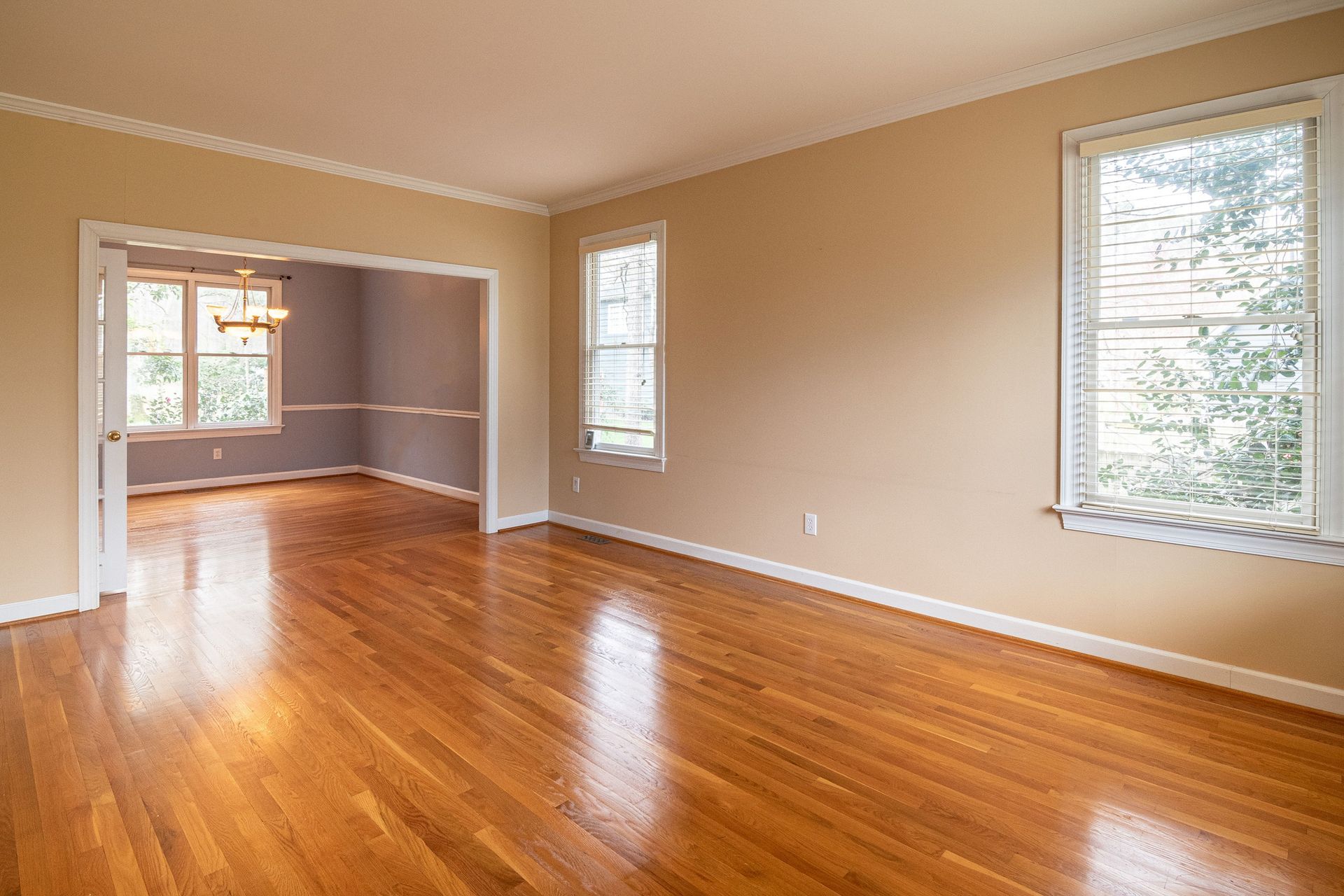
Getting your hardwood floors refinished in the fall is the smartest move if you want them shining bright for the holidays. By tackling this project before the festive season kicks off, you give your home time to air out, your finish time to fully cure, and yourself time to focus on decorations—not construction dust.
Fall refinishing is perfect for prepping your space to welcome friends, family, or even that nosy neighbor who always comments on your décor. Picture it: sparkling floors, no odd odors lingering, and a room that feels brand new once the first guest steps inside. Plus, hardwood floors in peak condition set the stage for everything from Hanukkah parties to Thanksgiving feasts and beyond.
The timing also means contractors are finishing up other jobs and can often devote more attention to detail on your floors. You'll sidestep the mad holiday rush, leaving you with less stress and more compliments about how polished your home feels. Finishing the floors before big fall and winter occasions ensures you show off your home's style at its best, right when it matters most.
Tips for Maintaining Post-Refinishing Long-Lasting Beauty
- Regular Cleaning: Sweep or vacuum weekly to keep dirt and grit from scratching your fresh finish.
- Rugs and Pads: Add area rugs in high-traffic spots and felt pads on furniture legs to stop scuffs before they start.
- Watch the Humidity: Use a dehumidifier or humidifier as needed to keep indoor humidity between 30% and 50%—it helps the finish last and keeps wood from warping or cracking.
- Avoid Water Spills: Mop up accidents right away and skip the wet mop—stick to a slightly damp cloth instead.
Questions and Feedback? Contact Absolute Floors for Expert Help
If you have questions about your hardwood floor project or need a little advice on timing, Absolute Floors is ready to help. Our team is known for friendly, expert service—we've seen it all and can guide you through each step from planning to the final polish.
Whether you want to talk options or set up a free, no-hassle estimate, we're here for you. Request Your Free Quote → Reach out anytime for personal guidance, and let us help you achieve the stunning hardwood floors your home deserves.