Waterproof vs. Water-Resistant Flooring: What the Labels Actually Mean
Waterproof vs. Water-Resistant Flooring: What the Labels Actually Mean
If you’ve ever stood in the flooring aisle wondering what those “waterproof” and “water-resistant” labels really mean, you’re definitely not alone. Picking out flooring is a big investment, and those words can sound comforting—or downright confusing—depending on what you hear from salespeople or see on packaging.
The truth is, understanding these labels isn’t just for the folks who mop up after kids and dogs (though, let’s be honest, many of us do). Knowing the difference between waterproof and water-resistant flooring can change how you handle accidents, spills, and even cleaning routines in your home. We’re here to break down these terms in simple, clear language so you can match flooring protection to your lifestyle—and not get caught off guard by what your floors can (and can’t) handle over time. Let’s jump in and clear up the confusion for good.
What Is Water-Resistant and Waterproof Flooring?
When we talk about flooring options that keep moisture at bay, the words “water-resistant” and “waterproof” come up again and again. But what do they actually mean, in practice, for your floors? These aren’t just marketing buzzwords—they represent two very different levels of protection against water and spills.
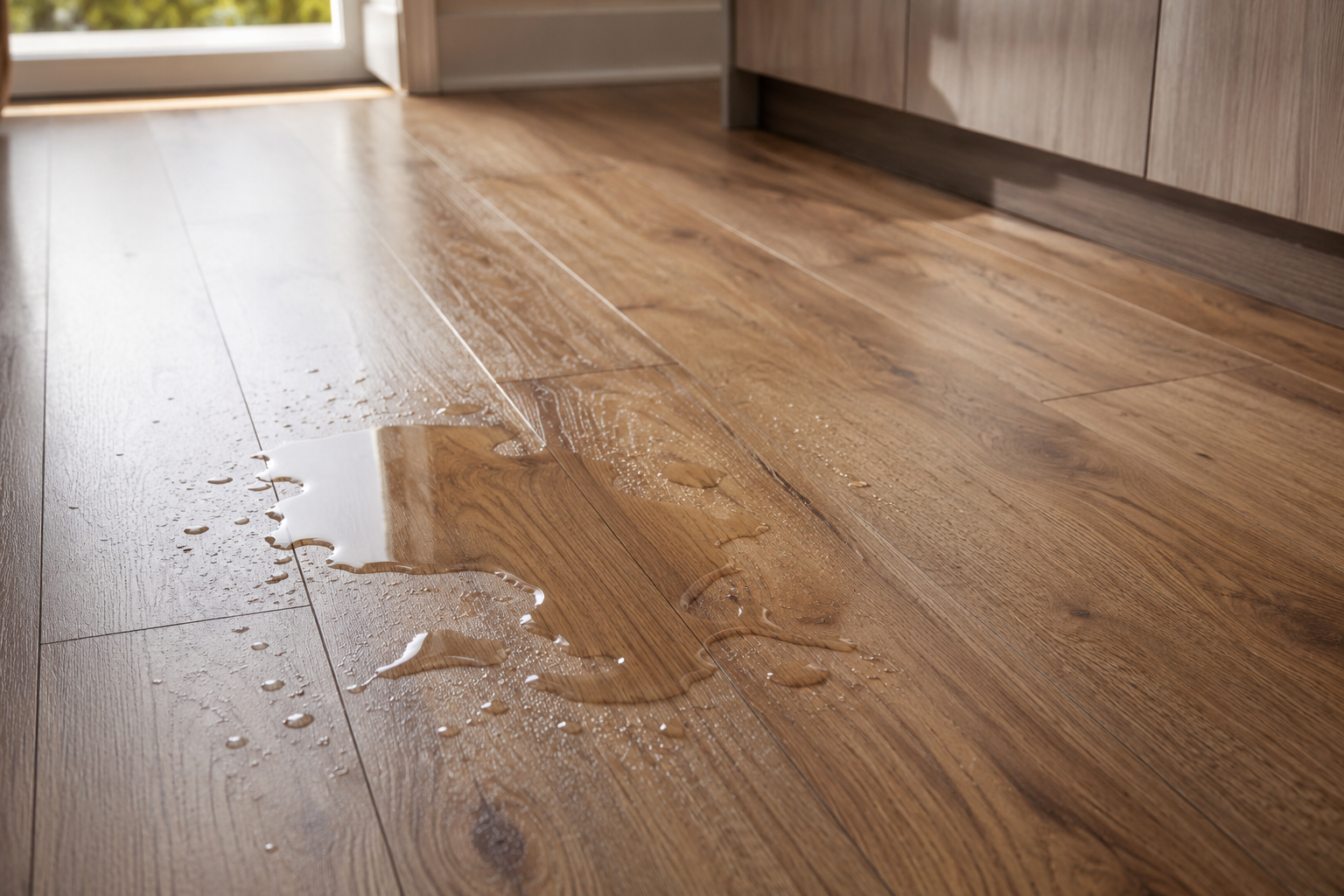
Water-resistant flooring is built to put up a fight against everyday splashes and the typical chaos of family life. A spilled cup or a little tracked-in rain won’t cause instant panic here. But it isn’t invincible—leave a puddle sitting too long, or deal with a major leak, and water-resistant floors can only hold out so long before trouble starts creeping in.
Waterproof flooring, on the other hand, is designed to be a true shield. Every layer, from top to bottom, is built so water can’t get through or cause damage. Even if there’s standing water—think overflowing washing machine or burst pipe—these floors claim to lock out moisture completely, keeping what’s underneath safe and dry. Of course, that doesn’t mean you can ignore problems, but the line between “just wipe it up” and “call for reinforcements” is much wider here.
Different materials and scientific tricks set these two apart, and we’ll see how that matters for actual day-to-day life. Understanding the strengths and weak points of each option helps you sleep better at night—and might even save you a headache the next time life throws a wet curveball your way.
Key Differences Between Waterproof and Water-Resistant Floors
Let’s get right to the heart of it: waterproof flooring and water-resistant flooring are two very different deals, especially when you’re talking about daily life with kids, pets, and unpredictable weather. Water-resistant flooring fights off minor spills, like when someone drops an ice cube or a puppy has a small accident, but it buys you time, not immunity. If that moisture sits for hours, or worse, days, troubles like
warping or staining can strike.
Waterproof flooring, on the other hand, slams the door on water trying to get through. It stands up not just to splashes but to standing water from leaks, flooding, even heavy mopping—without letting anything seep into its core or down to the subfloor beneath. This major difference is why waterproof options get top billing in places prone to big messes, like bathrooms, laundry rooms, and basements.
Durability is another way they stand apart. Water-resistant floors can last years if you keep up with quick cleaning, but repeated moisture or the occasional “oops, we missed a spill overnight” can eventually win out. Waterproof floors are built for the long haul—they aren’t fazed by countless spills or even humidity swings from season to season, so long as their seams and installation hold up.
Consider room choice, too. In living rooms or bedrooms where spills are rare, water-resistant floors are often perfectly fine. For kitchens, mudrooms, or anywhere you expect puddles and splashes, waterproof is a smarter bet. Real-world? If your basement has ever flooded, water-resistant flooring probably won’t cut it—go waterproof and sleep easier when storms roll in.
Popular Waterproof and Water-Resistant Flooring Types
Now that we know how floors protect against water in theory, let’s talk about what options actually exist at the store. Flooring manufacturers today offer specific materials engineered to stand up to moisture, but the level of protection you get depends on what’s under the hood—or, in this case, the surface and core of the planks.
Some flooring types, like SPC and rigid core vinyl, set the bar high for waterproof performance thanks to their tough-as-nails construction. Others, like luxury vinyl planks and tiles, blend style with a strong but not invincible layer of water resistance or waterproof technology. Then there’s engineered hardwood—real wood built with a layered core for boosted moisture resistance, but not bulletproof to water like vinyl or SPC.
Material matters here. Each of these flooring types uses its own blend of science and engineering to keep water at bay, whether it’s locking systems, durable cores, or special coatings. The right material for your space depends on how much moisture you expect, how much and what kind of mess your household tends to make, and what look you love best. This overview gets you ready to dig into the goods and the specifics to come.
SPC and Rigid Core Vinyl: The Gold Standard for Waterproof Floors
SPC flooring, or stone plastic composite, is the champion when it comes to truly waterproof floors. Built with a dense, rigid core made from a stone and plastic blend, SPC doesn’t let water slip through, period. Its tight click-lock locking mechanism forms a tough barrier at every seam, which means leaks or flooding don’t easily find a way in.
SPC is incredibly stable under shifting temperatures and humidity. Whether it sits in a chilly basement or a steamy bathroom, it doesn’t swell or buckle. It’s strong enough to handle refrigerators rolling over it and still looks the same year after year. If peace of mind against water and household chaos is the main goal, SPC and rigid core vinyl have the credentials to prove it.
Luxury Vinyl Plank and Tile: Style Meets Water Protection
Luxury vinyl plank (LVP) and luxury vinyl tile (LVT) have become go-to choices for families who want style without worrying about water. These floors are built with a waterproof core and a durable surface, so they shrug off spills and daily foot traffic easily. LVP and LVT come in a huge variety of realistic looks—wood grains, stone textures, you name it—making it easy to match any home decor.
Beyond water protection, LVP and LVT are also favorites because they’re soft underfoot, easy to clean, and resistant to scratches and dents. That makes them perfect for kitchens, bathrooms, and even laundry rooms—anywhere style and durability need to live side by side.
Engineered Hardwood: Classic Looks With Modern Moisture Resistance
Engineered hardwood stands out because it brings genuine wood beauty with a modern boost in water resistance. Unlike solid hardwood, each board uses a layered construction—real wood veneer over cross-layered plywood or composite. This design helps resist warping and swelling from small spills or brief moisture contact.
Still, it’s not invincible. If engineered wood flooring gets repeatedly exposed to water or sits in standing moisture, damage can creep in through the seams or edges. That’s why these floors work best upstairs, in living rooms, or spots where you get occasional drips, not floods. With a little care, though, you get stunning natural wood with fewer worries about life’s little surprises.
What Does 100% Waterproof Flooring Really Mean?
When a floor says it’s “100% waterproof,” that claim is more than just hype—it means that neither surface spills nor standing water can get through or harm the material itself. These floors are made with special materials and locked-tight seams so water just sits on top, with nowhere to run and nowhere to hide.
Manufacturers test waterproof flooring by dunking, soaking, and flooding it. True 100% waterproof floors don’t soak up a drop, no matter how long the water sits. But here’s the catch: installation really matters. If seams or edges aren’t sealed right, water can still sneak below, which is why those claims always carry an asterisk about following instructions to the letter. For anyone tired of worrying about every spill, that “100%” is as close to water-proof armor as you’ll get in the flooring world.
Can Waterproof Floors Still Be Damaged By Water?
No flooring is absolutely invincible, not even the “waterproof” kind. While waterproof floors themselves will not absorb or be damaged by water, issues can sneak in if water gets underneath—often at the edges, seams, or where installation wasn’t perfect. Prolonged standing water, especially from big leaks or floods, can seep into tiny gaps or damage the subfloor, leading to hidden mold or swelling over time.
To really protect your investment, make sure your floor is installed precisely, wipe up any standing water quickly, and watch for risks like pipe leaks or appliance malfunctions. Read the warranty, too—many require professional installation or specific maintenance steps to keep you covered. The short answer: waterproof floors are tough, but they’re not complete magic. Stay vigilant and they’ll reward you with years of worry-free use.
Pros and Cons of Waterproof and Water-Resistant Floors
Floors that keep water and messes at bay aren’t just about avoiding costly repairs—they can make everyday life a whole lot easier. With so many choices on the market, it pays to step back and weigh what really matters for your space, your family, and your budget.
The real draw with waterproof and water-resistant flooring is the freedom it brings: you don’t have to hover nervously every time someone drops a drink or the dog comes charging in out of the rain. But every flooring superhero has a weakness, and these products are no different. Sometimes that’s about price, feel under your feet, or even fussiness over who installs it.
We’ll break down both the top benefits and the major limitations below, so you know exactly what you’re getting. Understanding both sides helps you see past the labels and make a smart, lasting choice you’ll be happy with long after the installation crew leaves.
Top Benefits of Waterproof and Water-Resistant Flooring
- Exceptional Moisture Protection: No more panic over spilled juice, pet accidents, or wet boots—these floors resist water seeping in and damaging the structure beneath.
- Durability for High-Traffic Living: They hold up against scuffs, scratches, and everyday battering, even in homes with kids and pets constantly on the go.
- Easy to Clean and Maintain: Most messes can be wiped up in seconds, with no need for harsh chemicals or elaborate cleaning routines.
- Peace of Mind in Problem Areas: Perfect for kitchens, bathrooms, basements, and laundry rooms, so you stop worrying every time it rains or the washer acts up.
- Long-Term Value: Investing in water-safe floors now can save you from expensive repairs down the line—and keep your home looking newer, longer.
Drawbacks to Consider Before Choosing Waterproof or Water-Resistant Floors
- Higher Initial Costs: Materials and installation for waterproof designs can add up compared to standard floors.
- Feel Underfoot: Some options, especially rigid cores, can feel harder and less “warm” than real wood.
- Installation Sensitivity: A small mistake during DIY install can break the waterproof seal and cause big headaches.
- Limited Style Range (Certain Types): Not every waterproof floor mimics natural wood or stone perfectly, though options keep improving.
Finding the Right Flooring for Your Home and Lifestyle
Picking flooring is about more than just keeping up with trends—it’s about how your home actually works day to day. Whether you’re fielding a storm of muddy boots in the entryway, trying to outsmart a curious toddler in the kitchen, or just want something that lets you relax more and worry less, your needs set the rules of the game.
Most of us want a balance: a floor that can stand up to wet messes where it counts, but also looks and feels good wherever family and friends gather. For high-moisture spots like kitchens, laundry rooms, and bathrooms, waterproof materials usually win out. For bedrooms, living spaces, or spots with less mess, water-resistant floors could be a smarter, budget-friendly call.
Don’t forget about style, comfort, and budget as you weigh your options. Sometimes the perfect choice means a mix—waterproof luxury vinyl in the basement, engineered hardwood upstairs, or maybe a wood-look laminate in bedrooms where the risk of spills stays low. What matters most is what fits your household’s reality: pets, kids, humidity swings, and all. The sections ahead will zero in on a great option you might not have considered—not just for looks, but for the real-life, messy magic of home.
Is Waterproof Laminate a Better Choice for You?
Waterproof laminate floors are bringing a new option for folks after the wood look with sturdy water protection. Unlike old-school laminates, these newer ones have tighter seams and special cores to block out spills and everyday accidents. They’re not as bulletproof as luxury vinyl or SPC, but for living rooms, bedrooms, and spots where major flooding isn’t a worry, they shine.
If you love the appearance of hardwood but want a practical edge, waterproof laminate can be a sweet spot between beauty and practicality. Look for brands rated as “waterproof” rather than just “water-resistant” if you need a little extra insurance. Still torn between the two? Our
LVP vs. hardwood breakdown goes deeper. Ultimately, weigh how much you value wood style versus the sheer armor of vinyl or SPC. For many, waterproof laminate is an innovative, budget-friendly solution that handles real-life messes and looks good doing it.